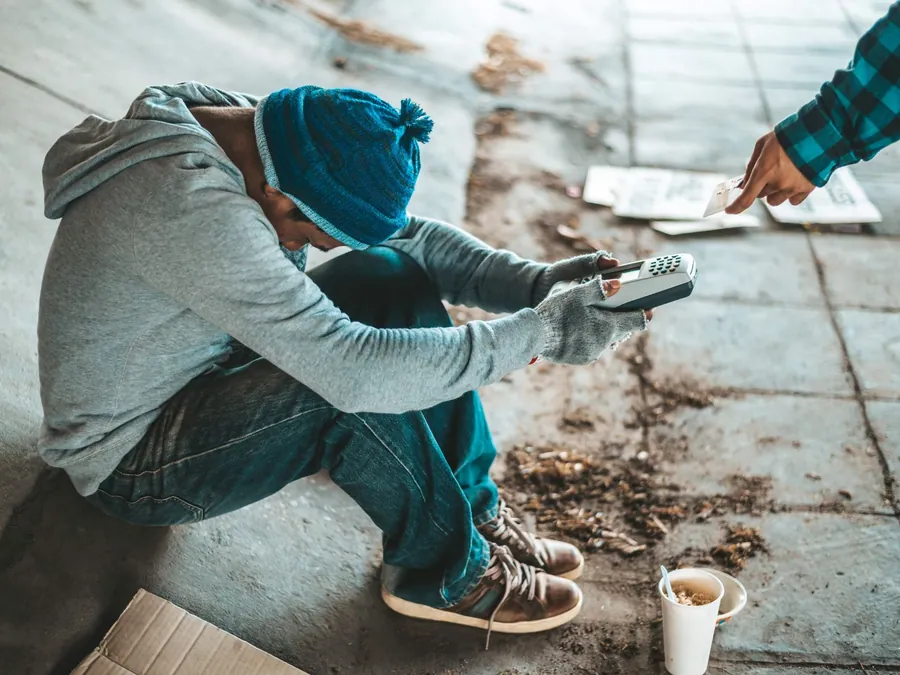
«Puedes pertenecer si demuestras que no eres uno de esos inmigrantes.»
En la primera parte, vimos cómo el poder utilizó la raza para impedir que trabajadores y comunidades explotadas se reconocieran como aliados. Esta segunda entrega sigue la misma lógica dentro de las comunidades inmigrantes, donde el estatus legal puede convertirse en una nueva jerarquía de valor humano.
El soborno dentro de las comunidades inmigrantes
Hoy, el soborno racial también opera dentro de las comunidades inmigrantes, incluyendo las comunidades latinas. La división ya no es solamente entre blancos y no blancos. También aparece como ciudadano contra no ciudadano, documentado contra indocumentado, inmigrante establecido contra recién llegado, votante latino contra migrante de caravana.
Para muchos inmigrantes que lucharon durante años para obtener un estatus legal, la ciudadanía puede sentirse como prueba de sacrificio, disciplina y valor moral. Ese logro es real. Muchas personas esperaron, pagaron abogados, siguieron reglas y vivieron con miedo. Pero el soborno aparece cuando el estatus legal se convierte en arma moral: yo lo hice de la manera correcta, así que ellos merecen castigo. Una diferencia legal se transforma entonces en una jerarquía de valor humano.
El problema es que el sistema migratorio no es igualmente accesible para todos. Muchas personas no tienen una fila real en la cual formarse. Algunas huyen de violencia, pobreza, inestabilidad política, desastres climáticos o separación familiar. Otras entraron siendo niñas y crecieron en Estados Unidos sin haber elegido su situación legal. Otras trabajan durante años en agricultura, construcción, limpieza, cuidado de personas, restaurantes y servicios, mientras siguen legalmente vulnerables. Pew Research Center reportó que los inmigrantes no autorizados representaban alrededor del 4.8 por ciento de la fuerza laboral estadounidense en 2022.[7]
Esto crea otra versión del soborno: la pertenencia legal se usa para separar a los inmigrantes entre sí. Algunos latinos ciudadanos o residentes pueden apoyar políticas migratorias duras porque creen que eso protege su propio estatus, sus trabajos, sus vecindarios o su identidad política. Otros sienten resentimiento hacia los recién llegados porque creen que su propia lucha fue ignorada. Las campañas políticas pueden usar esa tensión presentando a solicitantes de asilo, indocumentados o caravanas como peligro, desorden o competencia injusta.
El enfrentamiento entre algunos votantes latinos y los migrantes de las caravanas revela una verdad dolorosa: la cercanía no siempre produce solidaridad. A veces produce distancia. El inmigrante documentado puede temer ser asociado con el indocumentado. El ciudadano puede temer ser tratado como solicitante de asilo. La familia latina ya establecida puede temer que los recién llegados intensifiquen el racismo contra todos los latinos.
Ese es el soborno racial adaptado a la inmigración. Dice: puedes pertenecer si demuestras que no eres uno de esos inmigrantes. Eres legal, no ilegal; trabajador, no dependiente; asimilado, no extranjero; merecedor, no criminal.
Pero el pacto es frágil, porque la sospecha racial no siempre respeta los papeles. Los ciudadanos latinos y los residentes legales también pueden ser perfilados, cuestionados, temidos o tratados como extranjeros.
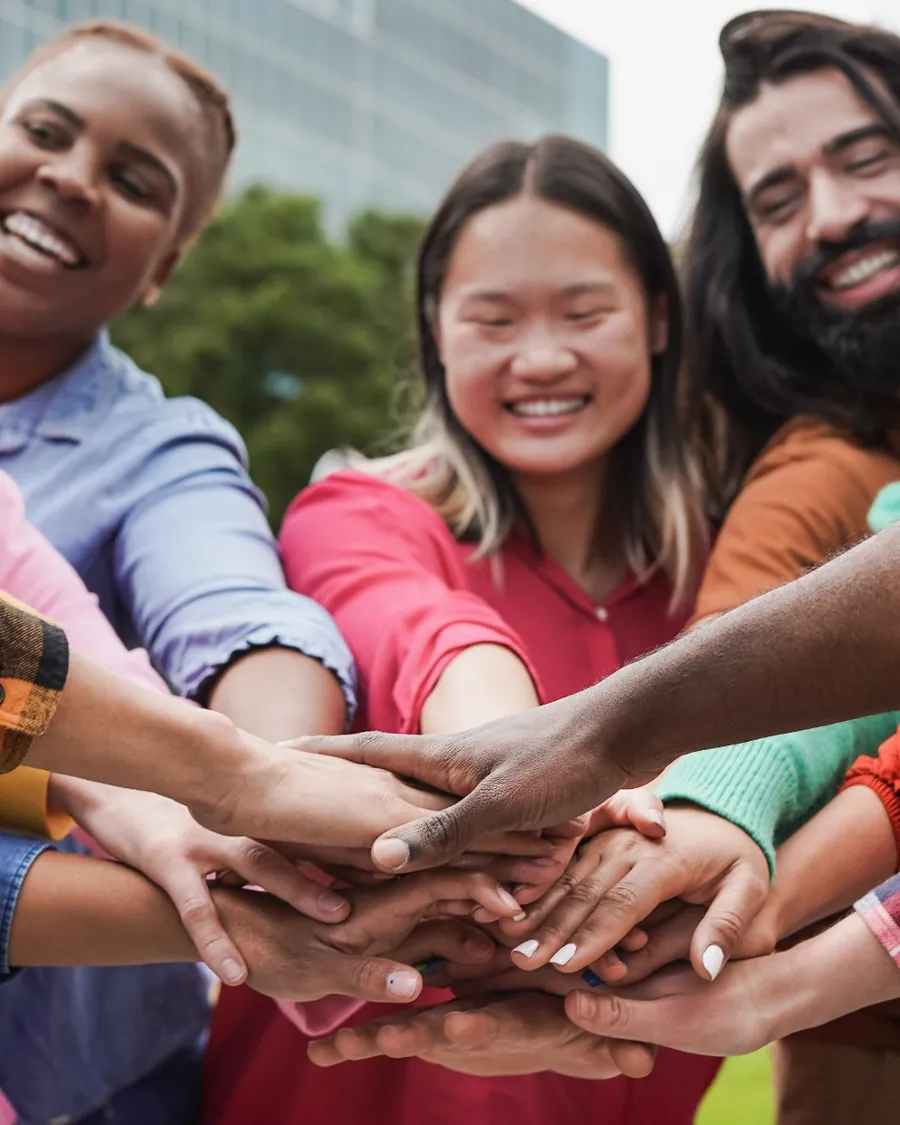
Una bomba de tiempo o un punto de cambio
El soborno racial es una bomba de tiempo porque puede retrasar la inconformidad, pero no puede borrar el sufrimiento. La gente puede ser distraída durante años por el resentimiento, pero sigue enfrentando deudas, salarios bajos, rentas impagables, falta de atención médica, desigualdad escolar, violencia policial, separación familiar y abandono político.
En algún momento, la contradicción se vuelve demasiado visible. La superioridad no paga la renta. No compra medicinas. No protege a los hijos de la pobreza. No crea dignidad en el trabajo.
El peligro para los poderosos es que la gente eventualmente reconozca el engaño. Los trabajadores blancos pobres, los trabajadores negros, los ciudadanos latinos, los inmigrantes indocumentados, las comunidades indígenas, los trabajadores asiáticos y otros grupos marginados no tienen historias idénticas. Pero muchos enfrentan sistemas de explotación conectados. Cuando la gente ve que la división ha sido rentable para las élites, el enojo que fue empujado hacia los lados puede comenzar a mirar hacia arriba.
Esto no significa ignorar el racismo en nombre de la unidad de clase. La solidaridad real no puede construirse fingiendo que la raza no importa. Debe comenzar reconociendo que la raza ha sido utilizada como herramienta de control económico.
El futuro depende de si la gente acepta el soborno o lo rechaza. Aceptarlo significa aferrarse a una frágil sensación de superioridad mientras la riqueza sigue concentrándose. Rechazarlo significa negarse a medir el valor humano por raza, ciudadanía, estatus migratorio o cercanía con la blancura.
Significa hacer preguntas más difíciles: ¿quién se beneficia de nuestra división? ¿Quién gana cuando los trabajadores culpan a los migrantes en lugar de culpar a los empleadores? ¿Quién se fortalece cuando los ciudadanos pobres culpan a los no ciudadanos aún más pobres, en lugar de preguntar por qué sobrevivir se ha vuelto tan caro?
El soborno racial ha funcionado durante siglos porque ofrece identidad en lugar de justicia. Pero la identidad sin justicia termina convirtiéndose en cansancio. En algún momento, los pobres reconocen que la promesa era falsa. En algún momento, los inmigrantes documentados e indocumentados reconocen que su miedo nace de la misma estructura. En algún momento, el resentimiento deja de ser suficiente para ocultar el abandono.
Ese momento puede ser peligroso, pero también puede ser transformador. La misma rabia que fue manipulada para dividir puede convertirse en una exigencia de dignidad. Las mismas comunidades que fueron enseñadas a desconfiar unas de otras pueden empezar a ver que la verdadera amenaza no es la persona pobre al otro lado de la frontera, del vecindario o del lugar de trabajo. La verdadera amenaza es un sistema que se vuelve más rico manteniendo a la gente con miedo, dividida y agradecida por migajas.
El soborno racial construyó muros entre personas que debieron haber sido aliadas. El próximo cambio poderoso puede comenzar cuando esos muros dejen de funcionar.
Fuentes seleccionadas
- Pew Research Center, What we know about unauthorized immigrants living in the U.S., 22 de julio de 2024.
Este artículo fue elaborado por Ángel Rivas como parte de un trabajo de investigación periodística y tiene fines exclusivamente informativos, con la intervención editorial de Rosalba Téllez. El contenido no refleja una opinión personal del autor, y se basa en la recopilación y verificación de información de interés público.
"You can belong if you prove that you are not one of those immigrants."
In Part One, we saw how power used race to keep exploited workers and communities from recognizing one another as allies. This second installment follows the same logic within immigrant communities, where legal status can become a new hierarchy of human worth.
The Bribe Within Immigrant Communities
Today, the racial bribe also operates within immigrant communities, including Latino communities. The division is no longer only between white and non-white. It also appears as citizen against non-citizen, documented against undocumented, established immigrant against newcomer, Latino voter against caravan migrant.
For many immigrants who struggled for years to obtain legal status, citizenship can feel like proof of sacrifice, discipline, and moral worth. That achievement is real. Many people waited, paid lawyers, followed the rules, and lived in fear. But the bribe appears when legal status becomes a moral weapon: I did it the right way, so they deserve punishment. A legal difference is then transformed into a hierarchy of human worth.
The problem is that the immigration system is not equally accessible to everyone. Many people do not have a real line to stand in. Some flee violence, poverty, political instability, climate disasters, or family separation. Others entered as children and grew up in the United States without having chosen their legal situation. Others work for years in agriculture, construction, cleaning, caregiving, restaurants, and services, while remaining legally vulnerable. The Pew Research Center reported that unauthorized immigrants made up about 4.8 percent of the U.S. labor force in 2022.[7]
This creates another version of the bribe: legal belonging is used to separate immigrants from one another. Some Latino citizens or residents may support harsh immigration policies because they believe it protects their own status, their jobs, their neighborhoods, or their political identity. Others feel resentment toward newcomers because they believe their own struggle was ignored. Political campaigns can use that tension by presenting asylum seekers, undocumented people, or caravans as danger, disorder, or unfair competition.
The clash between some Latino voters and caravan migrants reveals a painful truth: closeness does not always produce solidarity. Sometimes it produces distance. The documented immigrant may fear being associated with the undocumented. The citizen may fear being treated as an asylum seeker. The already established Latino family may fear that newcomers will intensify racism against all Latinos.
That is the racial bribe adapted to immigration. It says: you can belong if you prove that you are not one of those immigrants. You are legal, not illegal; hardworking, not dependent; assimilated, not foreign; deserving, not criminal.
But the pact is fragile, because racial suspicion does not always respect papers. Latino citizens and legal residents can also be profiled, questioned, feared, or treated as foreigners.
A Time Bomb or a Turning Point
The racial bribe is a time bomb because it can delay discontent, but it cannot erase suffering. People can be distracted for years by resentment, but they still face debt, low wages, unaffordable rent, lack of medical care, educational inequality, police violence, family separation, and political abandonment.
At some point, the contradiction becomes too visible. Superiority does not pay the rent. It does not buy medicine. It does not protect children from poverty. It does not create dignity in work.
The danger for the powerful is that people eventually recognize the deception. Poor white workers, Black workers, Latino citizens, undocumented immigrants, Indigenous communities, Asian workers, and other marginalized groups do not have identical histories. But many face connected systems of exploitation. When people see that division has been profitable for elites, the anger that was pushed sideways can begin to look upward.
This does not mean ignoring racism in the name of class unity. Real solidarity cannot be built by pretending that race does not matter. It must begin by recognizing that race has been used as a tool of economic control.
The future depends on whether people accept the bribe or reject it. To accept it means clinging to a fragile sense of superiority while wealth continues to concentrate. To reject it means refusing to measure human worth by race, citizenship, immigration status, or nearness to whiteness.
It means asking harder questions: who benefits from our division? Who gains when workers blame migrants instead of blaming employers? Who grows stronger when poor citizens blame even poorer non-citizens, instead of asking why survival has become so expensive?
The racial bribe has worked for centuries because it offers identity instead of justice. But identity without justice eventually turns into exhaustion. At some point, the poor recognize that the promise was false. At some point, documented and undocumented immigrants recognize that their fear is born of the same structure. At some point, resentment stops being enough to hide the abandonment.
That moment can be dangerous, but it can also be transformative. The same rage that was manipulated to divide can become a demand for dignity. The same communities that were taught to distrust one another can begin to see that the real threat is not the poor person on the other side of the border, the neighborhood, or the workplace. The real threat is a system that grows richer by keeping people afraid, divided, and grateful for crumbs.
The racial bribe built walls between people who should have been allies. The next powerful change may begin when those walls stop working.
Selected Sources
- Pew Research Center, What we know about unauthorized immigrants living in the U.S., July 22, 2024.
This article was written by Ángel Rivas as part of a journalistic investigation and is intended for informational purposes only, with editorial input from Rosalba Téllez. The content does not reflect the author's personal opinion and is based on the collection and verification of information of public interest.